
If you've ever been curious about acupuncture but weren't quite sure what it involves, or whether it might be right for you, you're not alone. Acupuncture is one of the world’s oldest healthcare systems – it has been in use for well over 2,000 years – and today more and more people in the UK are turning to acupuncture to help support their health and wellbeing.
More than just needles
Acupuncture is one branch of Traditional Chinese Medicine or TCM, which is a complete healthcare system that views the body as a whole rather than a collection of separate parts. When you visit a traditional acupuncturist, the discussion will include much more than your presenting symptom. Your sleep, digestion, energy levels, emotional wellbeing and stress levels are all part of the picture. This holistic approach promotes a bespoke treatment strategy, which means treatment can be effective for a wide range of conditions. During a treatment, ultra-fine, sterile needles are inserted into points on the body to stimulate the flow of energy throughout the body. In simple terms, pain and illness occurs due to imbalances or blocks in our flow of energy or “Qi”. Acupuncture aims to restore balance and harmony in the body. It is quite common to use a combination of techniques during a treatment. For example, moxibustion (a warming herb), cupping (plastic or glass cups applied with suction), electroacupuncture (device which delivers mild pulses), or guasha (scraping skin surface with a tool) are all techniques that may be incorporated into a treatment session.

Acute and chronic — acupuncture works for both
Acupuncture can be used for help with long-term or chronic conditions, such as chronic pain, anxiety, insomnia, hormonal imbalances, digestive problems and fatigue. And equally, it can be used for acute conditions, such as a recent sports injury, an acute episode of sciatica, or sudden flares of headaches or allergies. Acupuncture can quickly help to reduce inflammation, ease pain and support the body’s own healing response. Many people are surprised by how quickly they notice a difference. Everyone’s results vary, but as a general rule, a chronic condition may take more time to resolve compared to a more recent condition.
What to expect Your first appointment will typically begin with a detailed consultation — your acupuncturist will ask about your main concern but also about your overall health, lifestyle and wellbeing. This is TCM's holistic approach in action: understanding the whole person, not just the symptom. Treatment itself is deeply relaxing for most people. When we think of needles, we usually think of the injection needles used for blood tests — but acupuncture needles are completely different. They are solid, flexible and extremely fine — as fine as a hair! When inserted you may feel nothing at all, or just a small sensation. Many people find themselves drifting into a deeply restful state (or even fall asleep!) during treatment, which in itself is therapeutic.
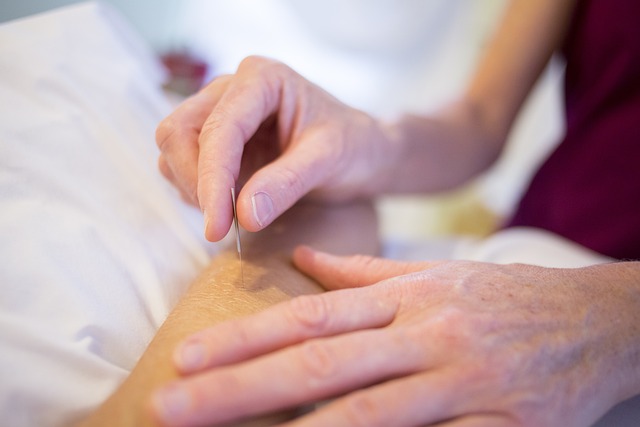
For anyone who is worried about needles, there are other options available to activate acupuncture points without using needles.
Prevention as well as treatment Perhaps one of the most powerful aspects of TCM is its emphasis on prevention. Rather than waiting until something goes wrong, regular acupuncture can help maintain balance, support immunity, manage stress and keep your energy levels consistent through the seasons. In this sense it's less about fixing problems and more about staying well — something that feels increasingly relevant in today's busy world. Whether you're dealing with a specific health concern, recovering from injury, navigating a hormonal transition, or simply feeling like you're not quite thriving — acupuncture offers a thoughtful, individualised and time-tested approach to feeling better.
Curious to find out more? Get in touch to discuss whether acupuncture might be right for you.
Emily Delahaye, Acupuncturist